
In today’s competitive furniture retail environment, “gut instinct” is no longer enough. While experience and intuition remain valuable, retailers who rely solely on them risk leaving money on the table. The real differentiator today is data—understanding what’s selling, when it’s selling, and why customers are making their choices.
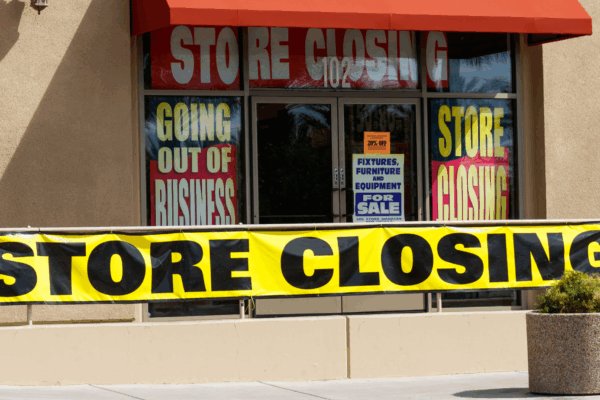
At SPCI, we’ve seen firsthand how stores that embrace analytics not only improve day to day operations but also maximize results from planned liquidation events, cash raise sales, or even going out of business strategies.
Why Data Matters in Furniture Retail
Unlike fast moving consumer goods, furniture is a high ticket, low frequency purchase. This makes every customer interaction and every piece sold more critical. Data offers insights that can help stores
- Identify best selling items and profitable categories
- Spot underperforming inventory before it ties up cash flow
- Optimize floor layouts and merchandising based on traffic flow
- Predict seasonal demand and plan promotions accordingly
Retailers who track the right numbers can become proactive in their business instead of reactive.
Key Metrics Every Furniture Retailer Should Track
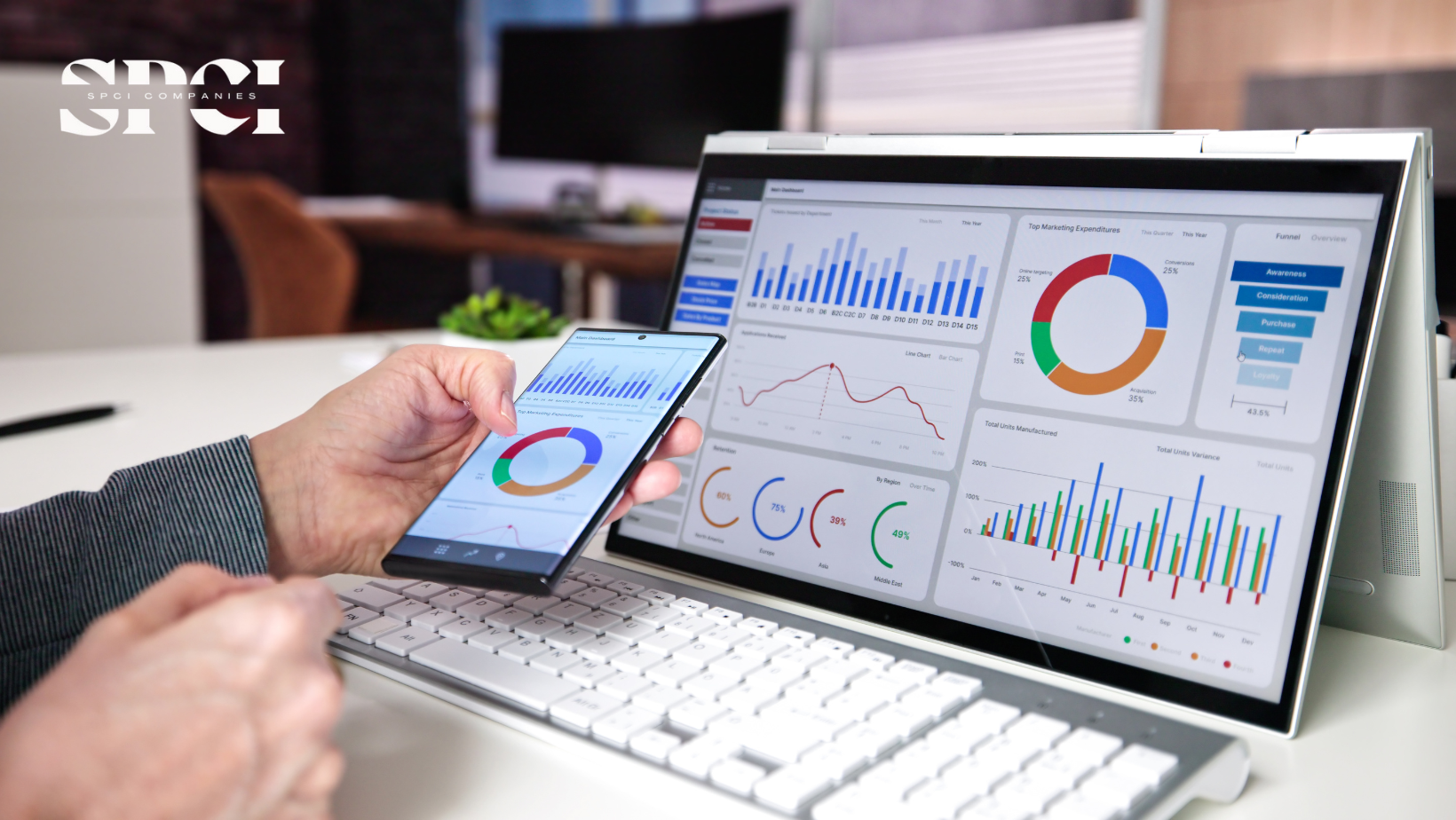
To harness the power of data, start with a few essential KPIs (Key Performance Indicators)
- Inventory Turnover Rate – How quickly products are sold and replaced. Slow moving stock drains cash flow.
- Sell Through Rate – The percentage of inventory sold versus purchased within a given period.
- Average Ticket Size – Tracks the dollar amount per transaction, highlighting upsell opportunities.
- Customer Acquisition Cost (CAC) – Measures how much it costs to bring in a new customer.
- Return on Marketing Investment (ROMI) – Tells you which campaigns actually drive profitable sales.
Using Data to Plan Events
Events like cash raising sales, liquidation events, or clearance promotions become far more powerful when guided by analytics. For example:
- If you know which categories are lagging, you can spotlight them in a cash raise event.
- Understanding customer demographics helps tailor marketing messages that resonate.
- Data-driven urgency (e.g., “last chance on top selling bedroom sets”) builds stronger emotional triggers.
The Technology Behind Smarter Decisions
Retailers today have access to a wide range of tools to simplify data collection and interpretation:
- Point of Sale (POS) Systems for real-time sales tracking.
- Inventory Management Software to flag slow movers and automate reorders.
- CRM Tools that give insights into buying behavior and repeat customers.
- Digital Marketing Analytics that track ad spend, clicks, and conversions.
Even small, independent furniture stores can benefit from affordable versions of these systems—and the payoff is substantial.
At SPCI, we don’t just run sales—we design data-driven strategies. By analyzing store data, customer behavior, and market trends, we create customized plans that maximize returns, whether you need a quick cash infusion, a full scale turnaround, or a going out of business strategy.